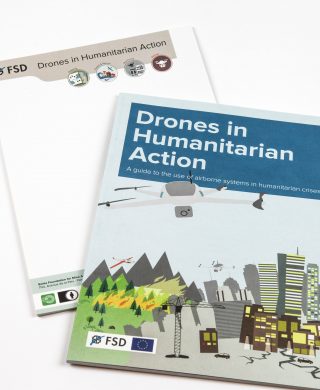
Drones in Humanitarian Action: ten years of lessons in data, participation, and inclusion
22.01.2026
Ten years after the publication of “Drones in Humanitarian Action”, Zoï revisited the report through a conversation with one of its authors, Denise Soesilo, an expert in drone operations and Managing Partner and Co-Founder at Outsight International. We reflected on how perceptions of drones and their impact have evolved over the last decade.
Looking back, when the research was launched in 2016, drones were still largely associated with military use, and humanitarian applications were not obvious. “15 years ago, we only really knew drones for military purposes. The feeling was that we needed to prove something, and the easiest way to do that was to show that drones could do useful things for society, and especially for humanitarian action”, Denise recalls. Today, the technology no longer needs justification or explanation. What matters instead is how it can open space for broader conversations about participation, data, and inclusion.
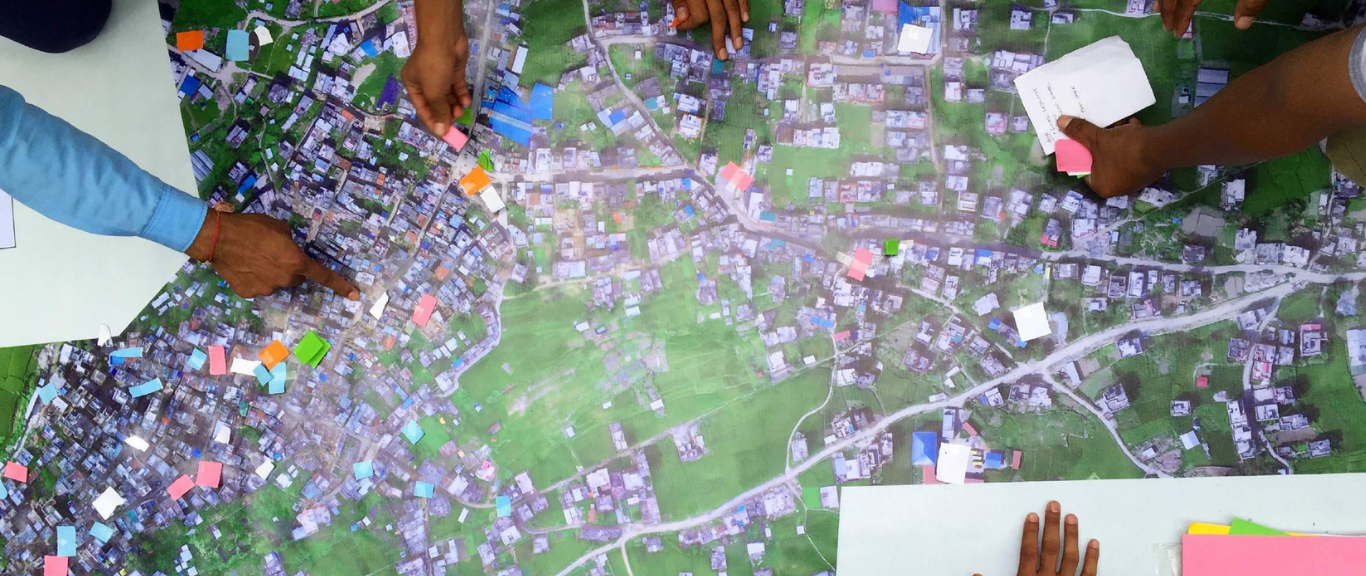
From Denise’s perspective, drones continue to be an entry point to engaging people with issues that go far beyond the technology itself. In a global context marked by multiple conflicts and the widespread military use of drones, legal and ethical concerns remain central. At the same time, there is a less visible but important challenge: access to data generation and use is still far from universal. Citizen science offers one response to this imbalance. Denise explains that “it really involves citizens in everyday data collection. It’s a way to involve them and make them feel they’re part of the value chain, creating data products for their own community”. In this context, drones can support activities such as basemap creation and environmental monitoring, helping communities not only consume data but also actively produce it.
The potential of drones extends beyond technical applications, reflecting the broader role of technology in enabling professional development and livelihood creation. An example of this is the African Drone and Data Academy in Malawi, a university-based program that provides scholarships to young people from across the African continent, with a strong focus on gender inclusion. Denise highlights the program’s approach to inclusion: “sixty percent of the scholarships are reserved for women, and everything is covered: travel, accommodation, food, insurance, and period products. The idea was to remove everything that might keep a girl or a woman from participating.” While access to the program still requires basic digital literacy, it has shown impact in communities. Graduates return to their home countries with new skills, improved livelihood prospects, and increased visibility as role models, particularly for other young women.
Reflecting on the broader impacts, Denise reminded us of a less tangible yet equally powerful effect of working with drones: enthusiasm. “One thing about drones is how much they get people excited,” she reflects. “People get mobilized around them.” Drawing a parallel with her own experience as an Olympic ice hockey player, in a male-dominated space, she notes that the drone industry still lacks gender balance. Yet she has seen how flying drones can help people imagine themselves differently.
Ten years on, we approach drones not only as a technical solution but also as a communicative device that can help translate data, stimulate dialogue, and expand access to science and humanitarian debates.
Featured image: Werobotics