From knowledge sharing to action: How Zoï is supporting mountain communities to adapt to climate change
28.04.2026
Mountains are changing faster than anywhere else on Earth. Glaciers are retreating, rainfall patterns are shifting and hazards are becoming less predictable and more severe. The challenges, however, don’t stay in the mountains. They cascade downstream, affecting water supplies, agricultural systems, and urban infrastructure.
The impacts of climate change in the mountains affect us all. Responding to this challenge requires strong collaboration and knowledge exchange. Adaptation at Altitude (A@A), a global programme co-supported by the Swiss Agency for Development and Cooperation (SDC), was designed to address the challenges of mountain communities across the Global South. From the tropical Andes to the Hindu Kush-Himalaya (HKH), mountain communities face some of the most visible impacts of climate change and often have limited capacity to respond at scale. Since its inception, this unprecedented coalition has had tangible impacts, giving visibility to mountain issues in the global climate agenda and helping communities strengthen resilience and increase their capacity to adapt to climate change.
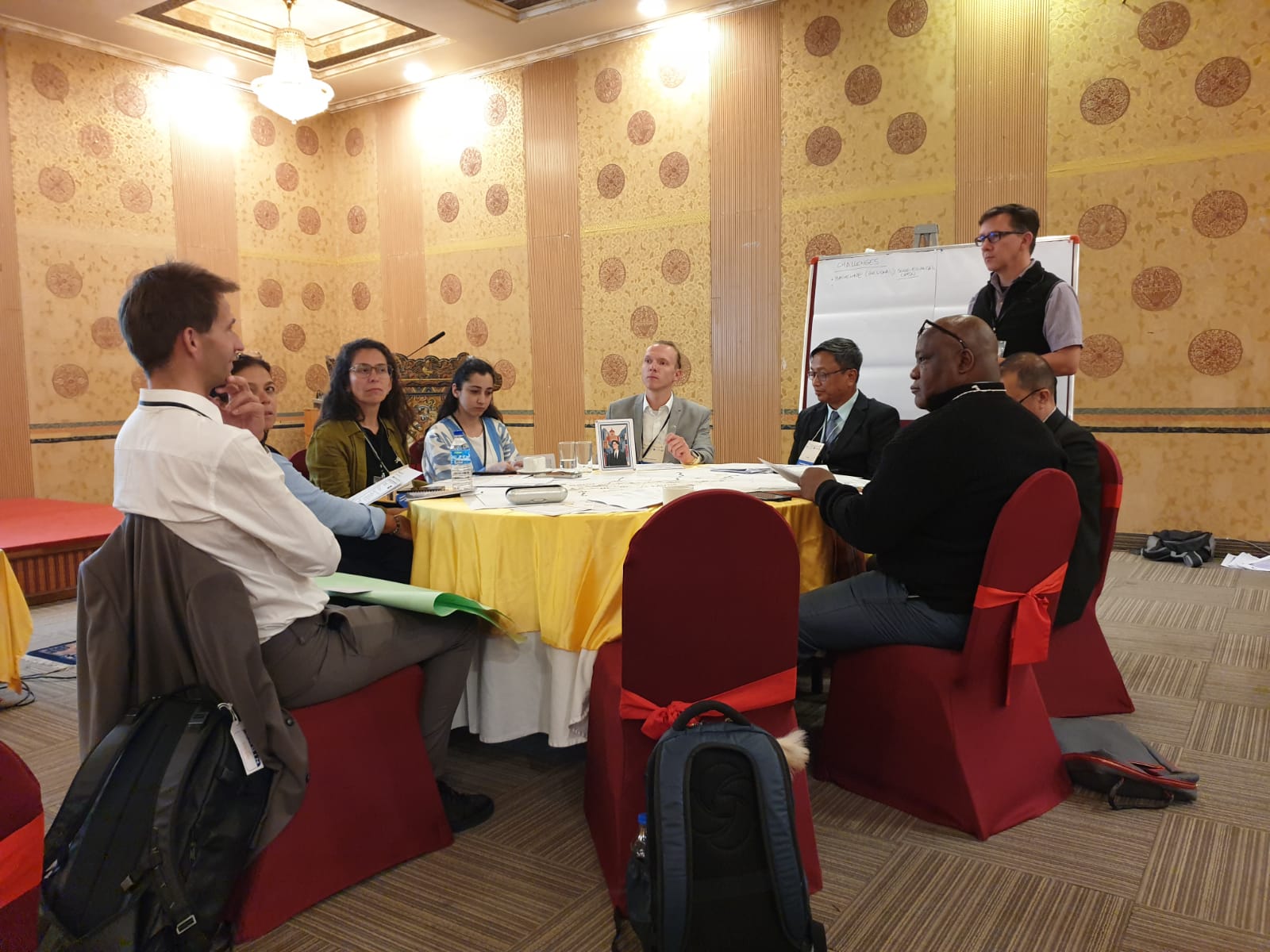
Within the programme, Zoï has the coordination role for the entire consortium, ensuring effective collaboration across all seven participating organizations. One of our core contributions to A@A is building and maintaining a shared knowledge base on mountain adaptation, fostering a global community of practice, and influencing policy processes, such as the UNFCCC and the 2030 Agenda for Sustainable Development. Through its work on knowledge sharing and communication, Zoï helps translate scientific research and local experience into clear insights for decision-makers.
How does effective communication drive action in mountain adaptation?
Scientific literature and community knowledge often speak different languages and reach different audiences. Our work uses scientific research to inform local action and feeds traditional and community knowledge into the policy process.
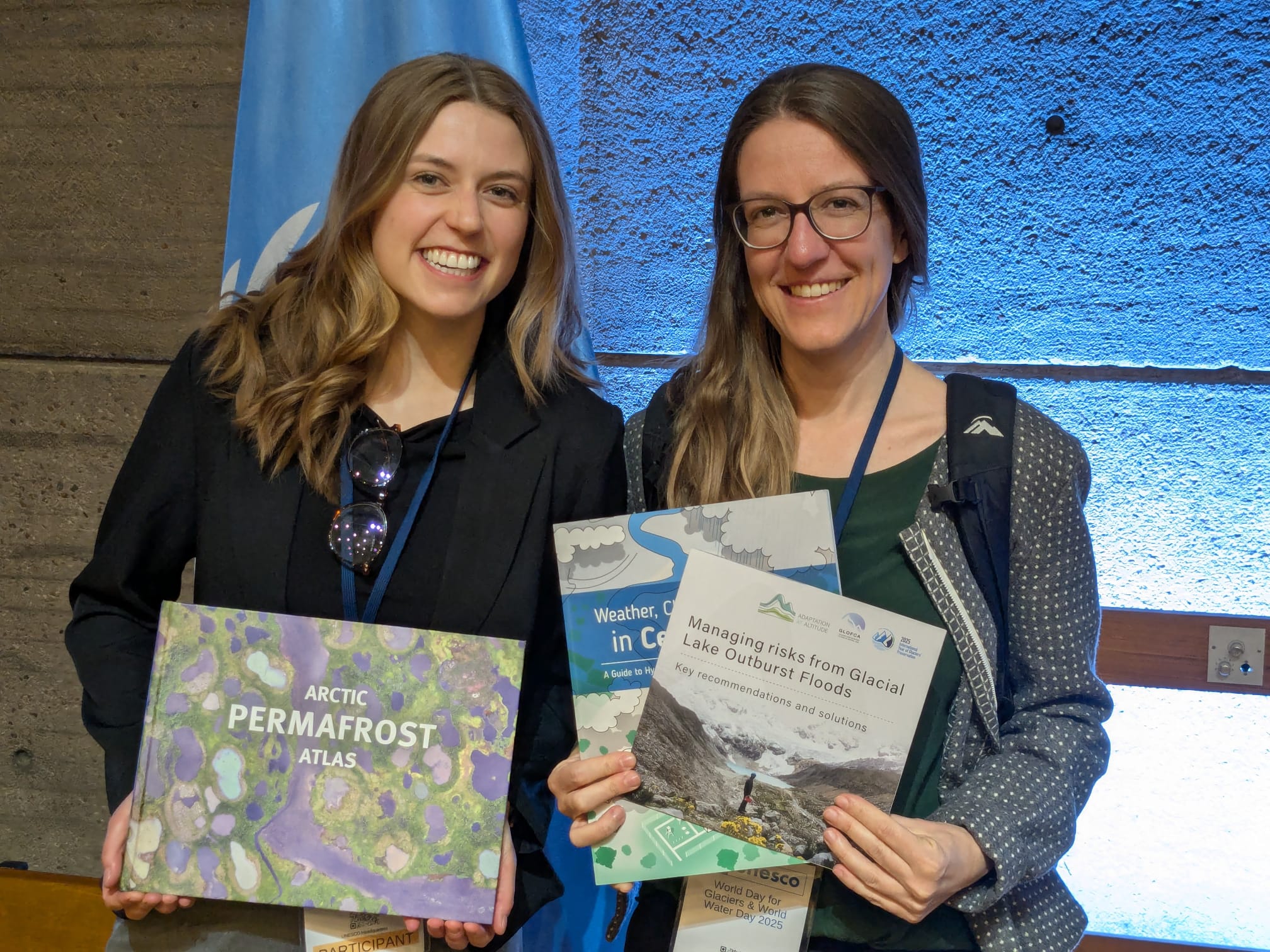
The Adaptation at Altitude Solutions Portal is one of the key tools of A@A for advancing this approach. The portal brings together over 100 tested, practical examples of climate adaptation solutions from the Global South. These include land-use practices, improved water management, and early warning systems. Each solution has been applied and verified, providing recommendations that can inspire similar actions elsewhere.



The financing gap
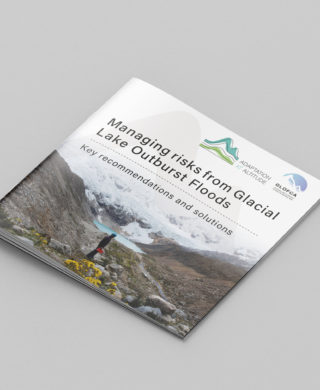
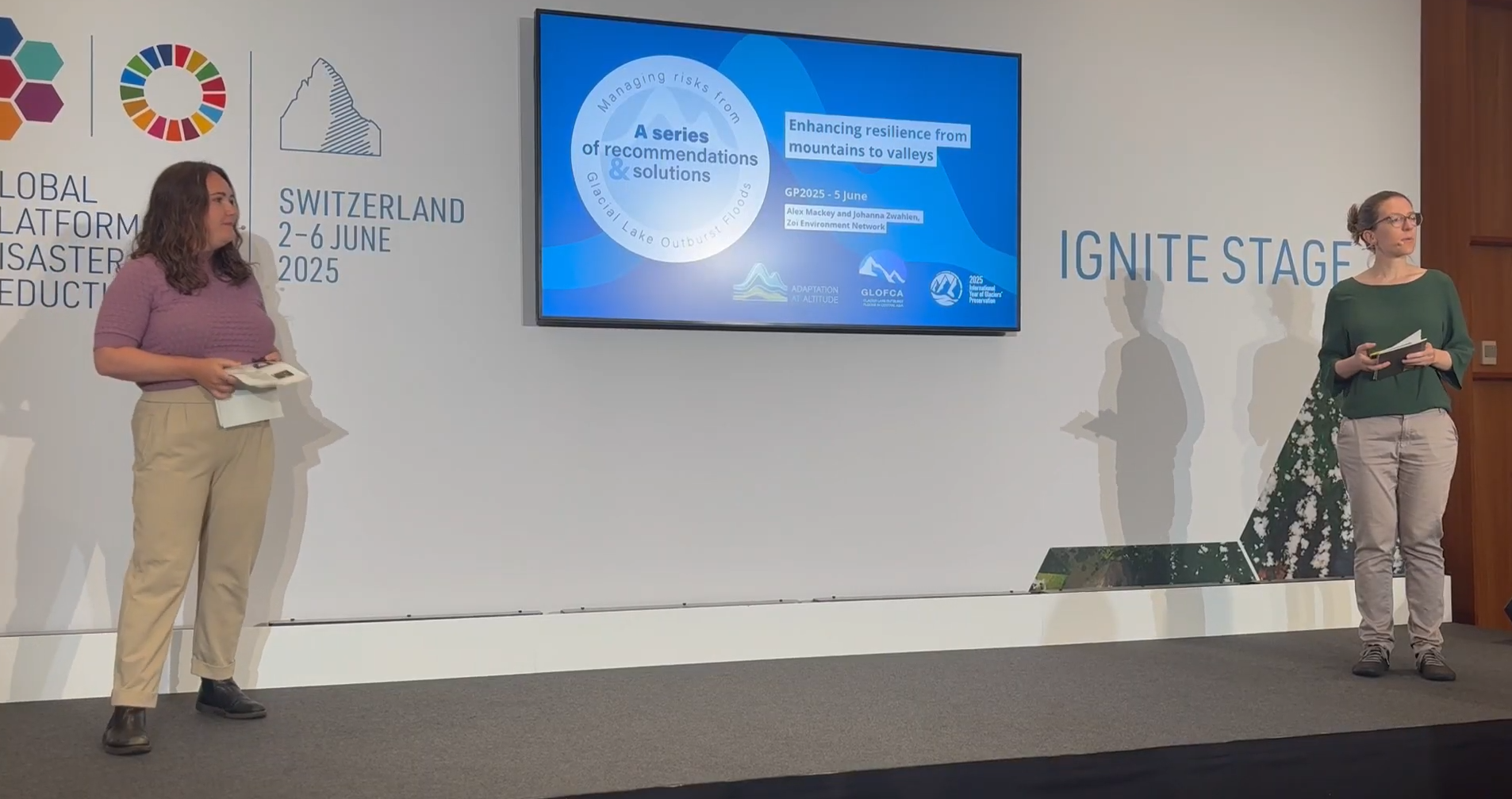
Even when effective adaptation solutions exist, funding remains a major challenge. Mountain adaptation is chronically underfunded relative to its needs, and this gap is most acute in regions where poverty and climate exposure intersect. One of the mountain regions highly affected by climate change, the HKH, is also home to countries with widespread poverty and limited capacity for investment in early warning systems and disaster preparedness. Nepal offers a clear illustration. Being one of the countries most exposed to Glacial Lake Outburst Floods (GLOFs), it is estimated that it would need 1 billion dollars in investment by 2030 to adequately manage GLOF risks. The amount received so far is around seven million [1].
Zoï’s work explores how private investment and innovative financing can help bridge this gap in poor mountain communities.
Engaging in global policy processes
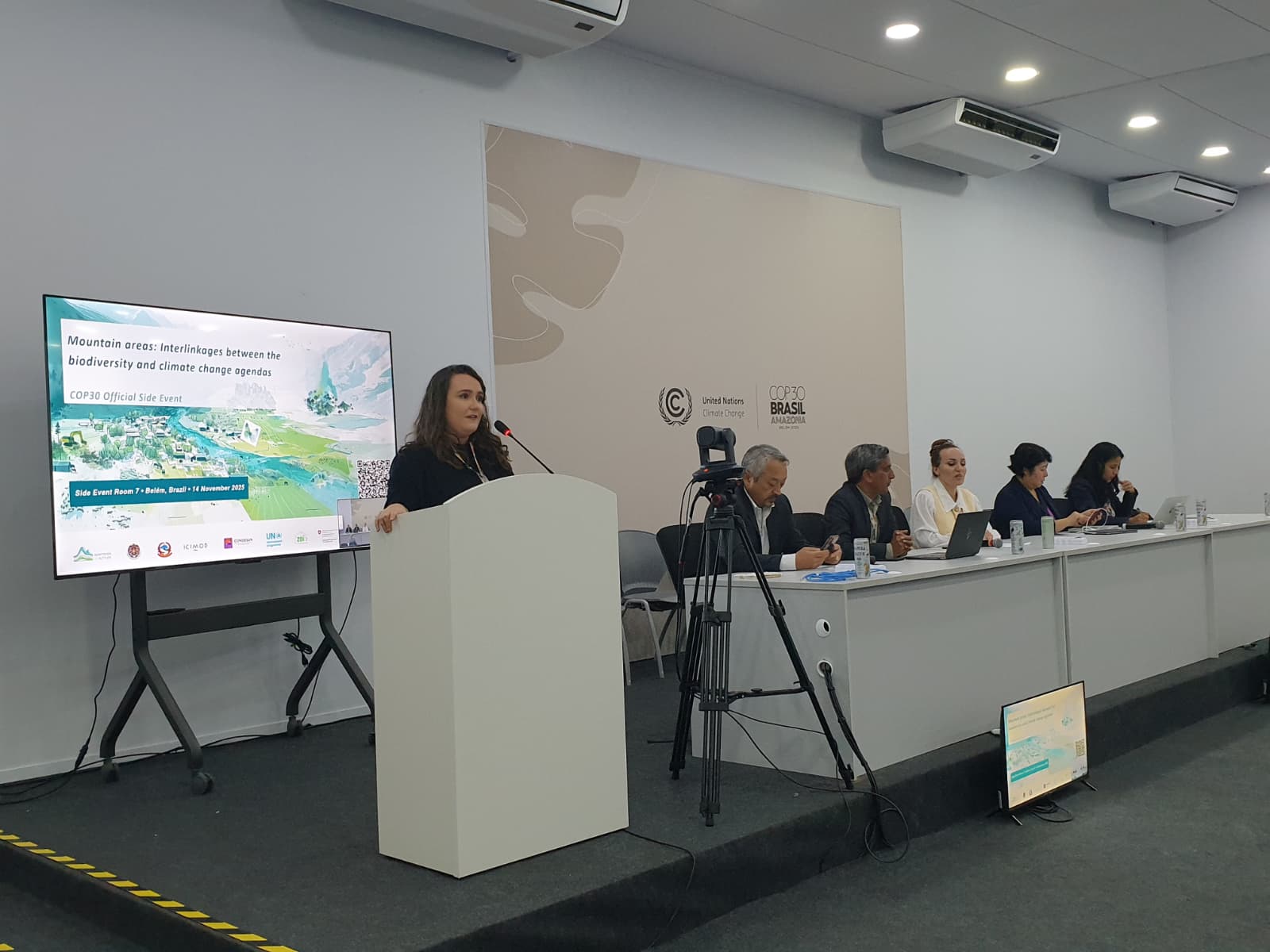
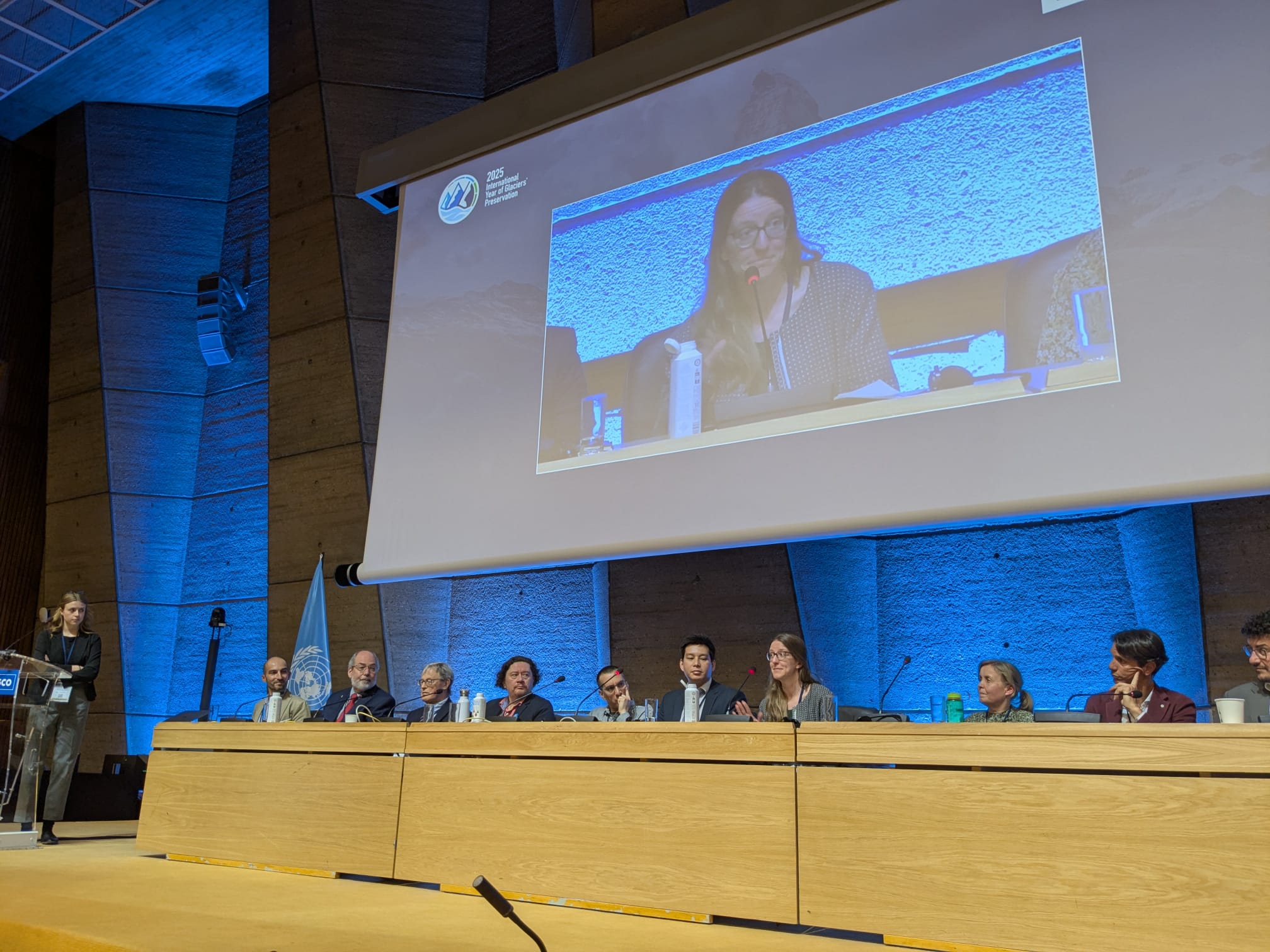
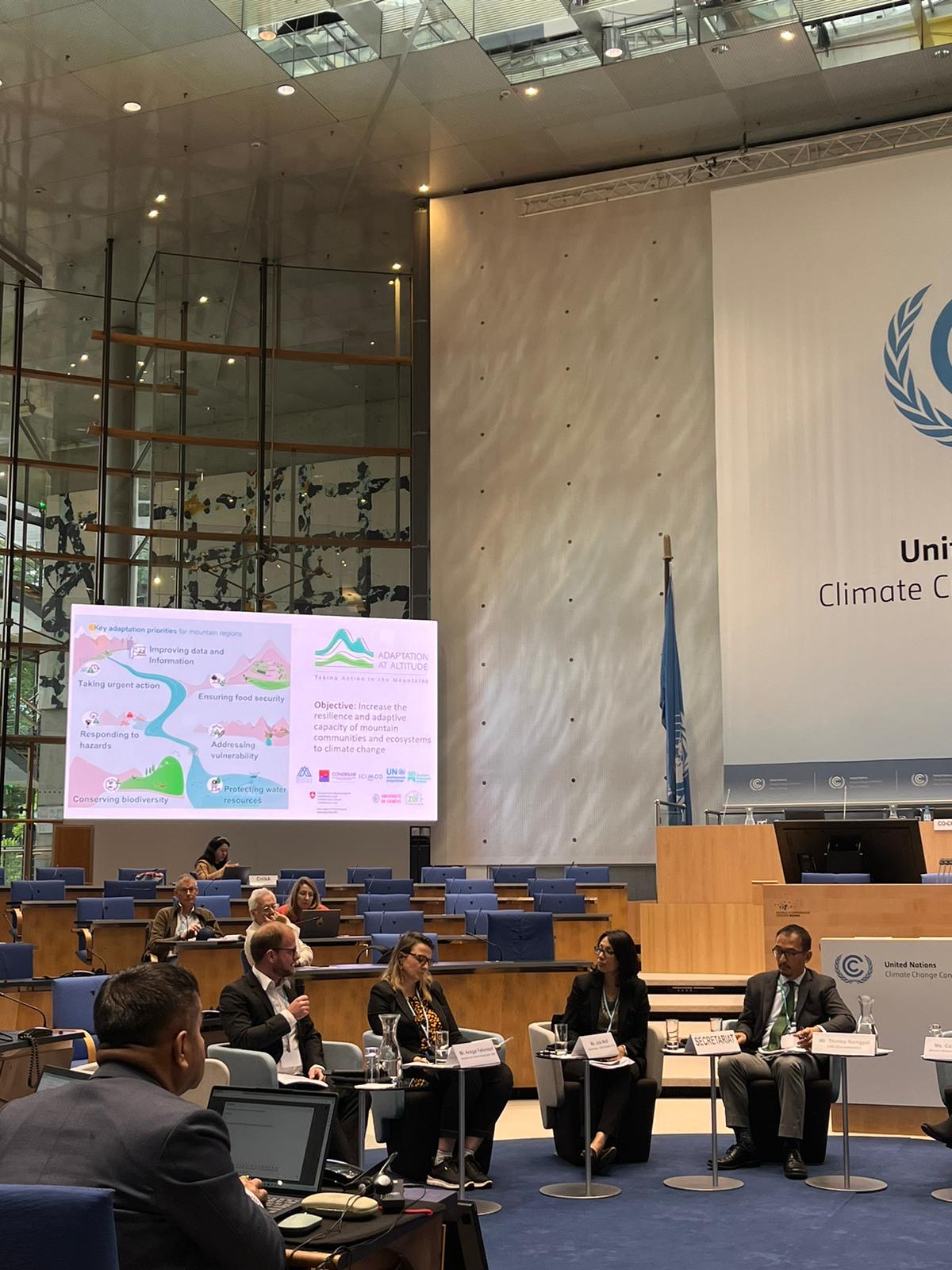
Mountain communities have historically been poorly represented in global climate negotiations. A@A has contributed to changing this by bringing attention to mountain needs in the global climate agenda, including helping to secure the UN General Assembly’s declaration of 2025 as the International Year of Glaciers’ Preservation — a recognition that draws renewed global attention to one of the most visible signs of climate change. A@A also contributed to the adoption of the 2023–2027 Action Plan for the Sustainable Development of Mountain Regions, which provides a global framework to improve the resilience and sustainable development of mountain regions worldwide.
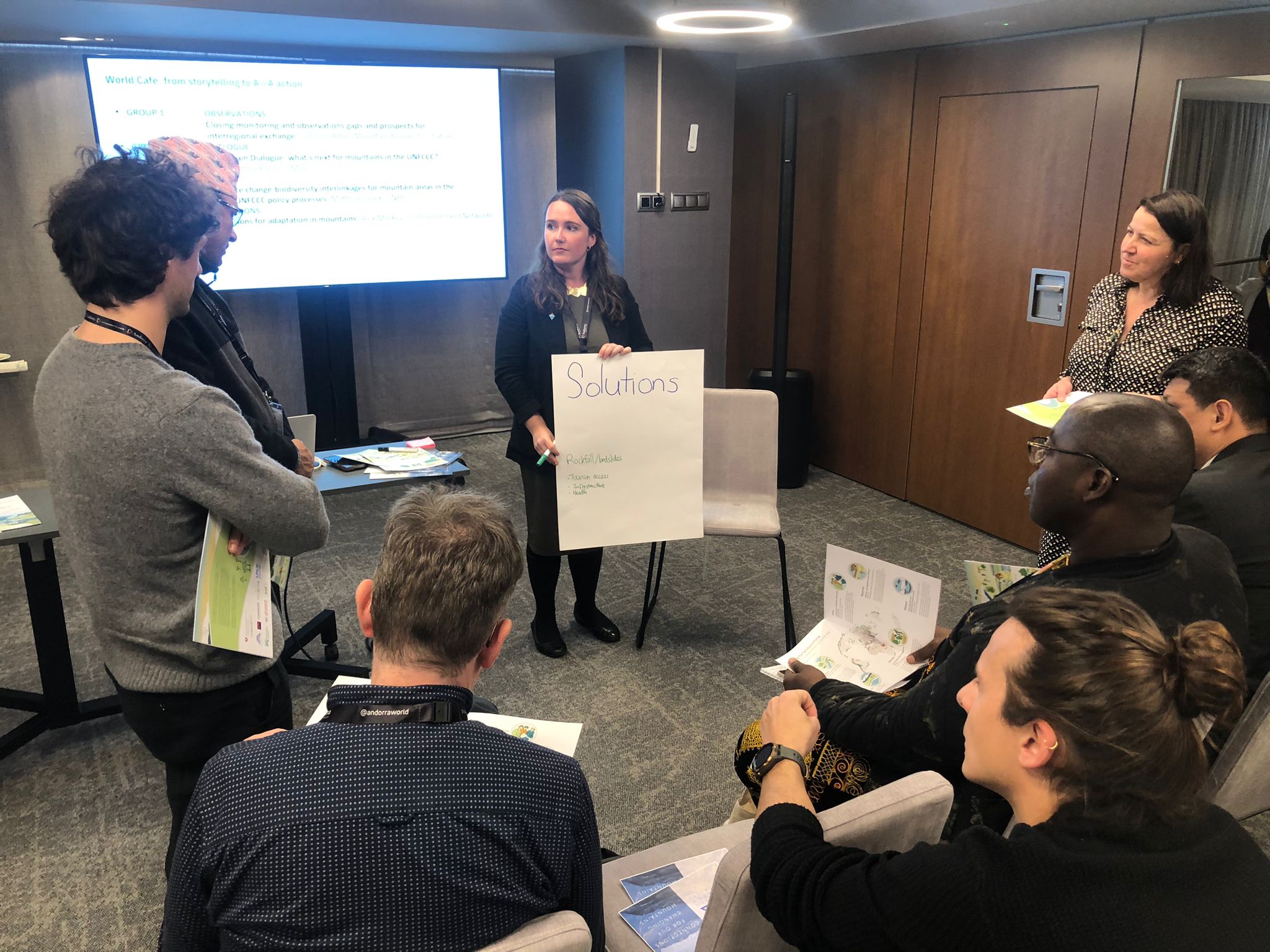
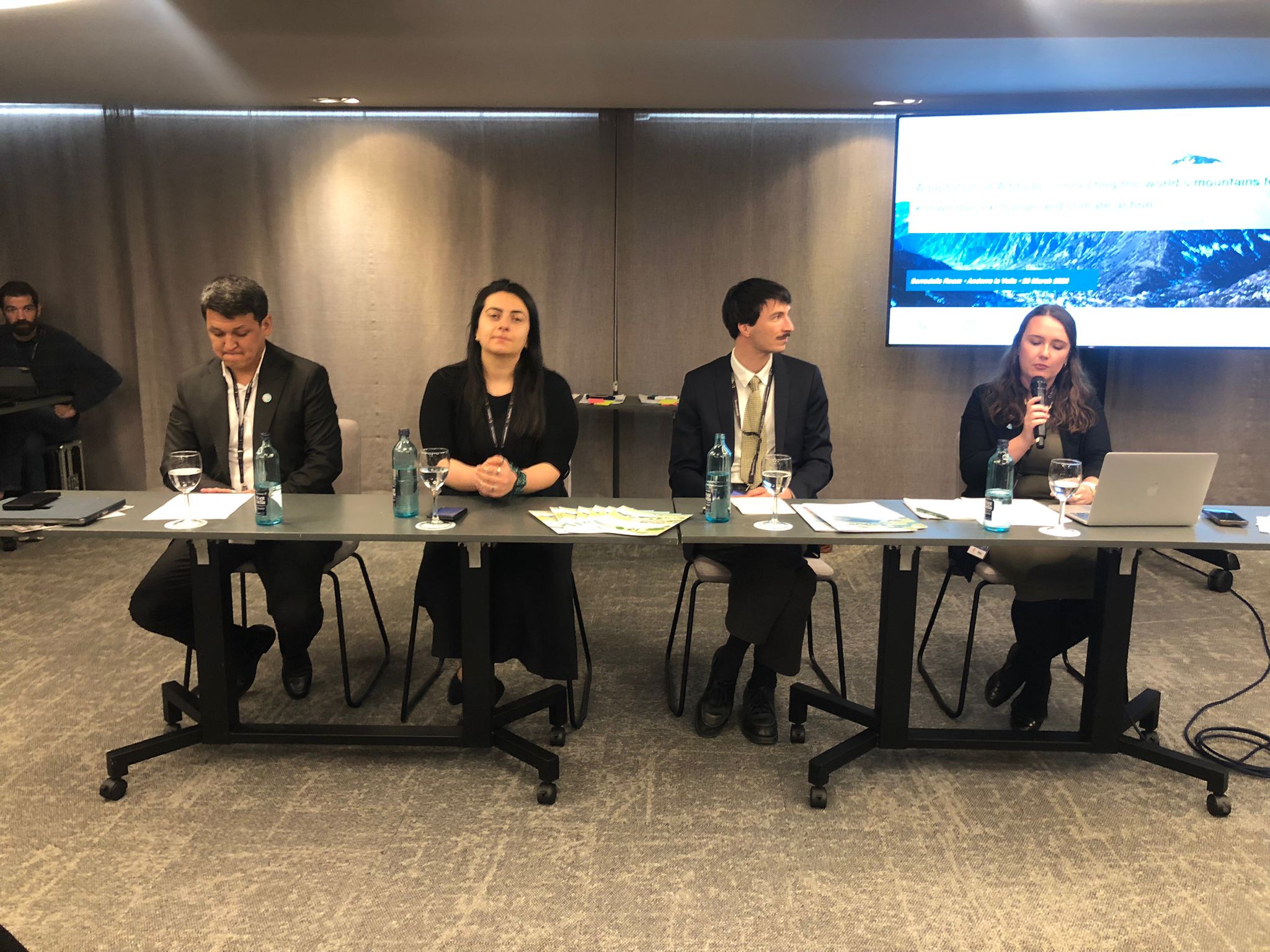
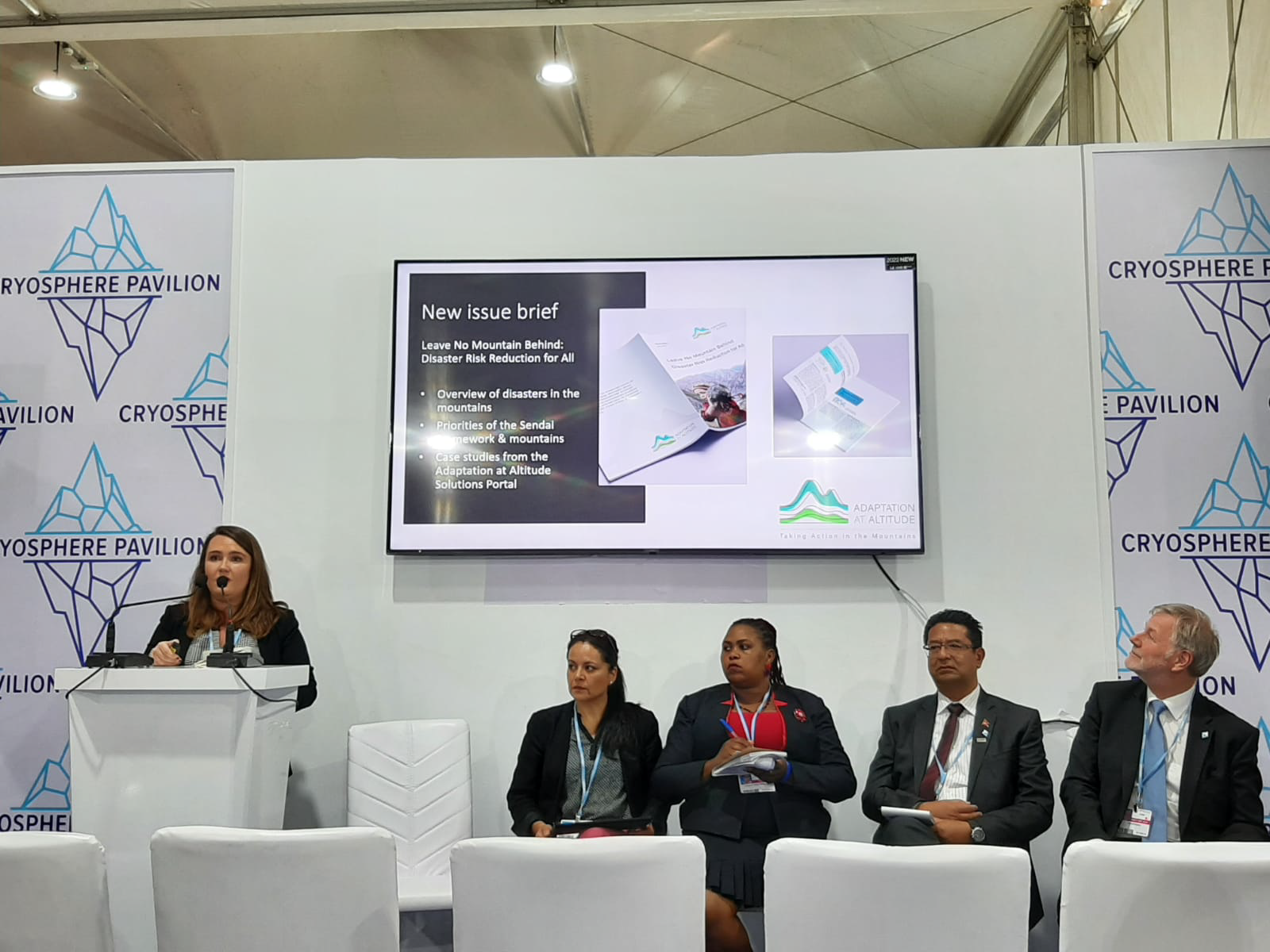
Zoï’s contribution to this policy work involves facilitating and convening dialogue between A@A partners and like-minded organisations, preparing background papers for UNFCCC negotiators, and running events that create the conditions for meaningful exchanges across disciplines and levels of governance.
This project contributes to

Partners
[1] See Dipesh Chapagain “Glacial Lake Outburst Floods: A Growing Climate Threat”, published in March 2025
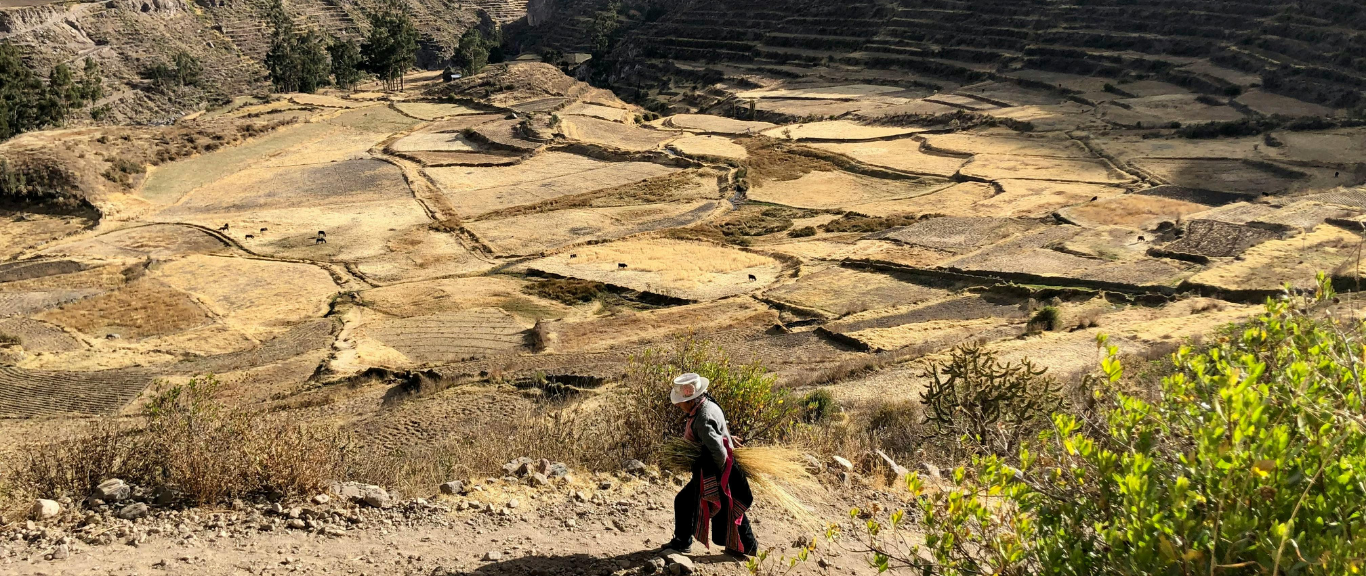
Featured image: Andean Terraces. Sarah Theeuws/Pexels