From the Roof of the World to the Desert’s Edge: Civil Society Protecting Central Asia’s Living Heritage
10.06.2026
Written by Viktor Novikov. Originally published on the CEPF website.
Stretching across seven countries and spanning two of Asia’s great mountain systems — the Pamir and Tien Shan — the Mountains of Central Asia Biodiversity Hotspot forms one of the planet’s most extraordinary natural regions. It harbors around 6,000 plant species, nearly a quarter of which are found nowhere else on Earth. This is the cradle of many crops that now feed the world: apples, apricots, walnuts, pistachios, wheat and barley all originated here. Snow leopards patrol the ridgelines, while saker falcons and golden eagles soar across both high-altitude landscapes and lowlands.
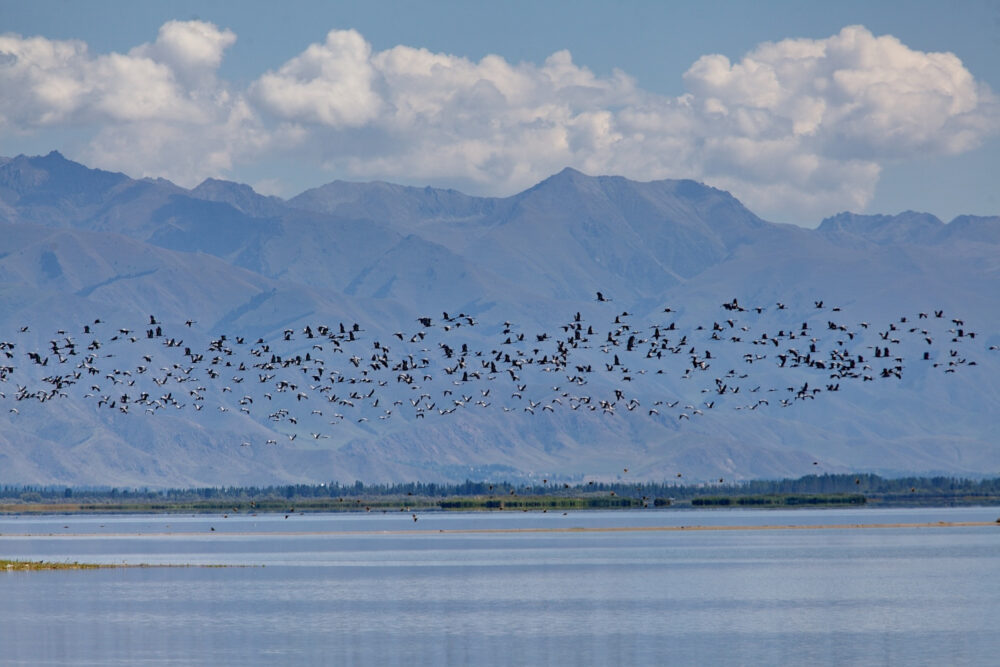
The Mountains of Central Asia Hotspot does not stand in isolation. To the north, the vast steppes of Kazakhstan are home to the iconic saiga antelope. To the south and west, the Amu Darya and Syr Darya rivers — born in the Pamir and Tien Shan — sustain the ancient oases of Central Asian civilizations, along with wetlands and lakes vital for migratory species, and the remnants of the Aral Sea, itself a global symbol of what is lost when ecosystems collapse.
To avoid such a fate for the nature of the Mountains of Central Asia, the Critical Ecosystem Partnership Fund (CEPF) has been supporting the conservation of the region since 2019. CEPF grants have funded civil society-led efforts to protect and sustainably use the hotspot’s vital ecosystems. Founded in 2000 by the Global Environment Facility (GEF), Conservation International and the World Bank, CEPF is a joint initiative of l’Agence Française de Développement, Conservation International, the European Union, Fondation Franklinia, Fondation Hans Wilsdorf, the GEF, the Government of Canada, the Hempel Foundation, the Government of Japan, The Nature Conservancy and the World Bank.
This partnership is launching a new phase of investment in the Mountains of Central Asia Biodiversity Hotspot for 2026–2031. The new action will build on the progress made under previous investment and help organizations and communities withstand mounting strains on the natural world.
A Treasure Under Pressure
The region’s biodiversity faces diverse threats. Some are universal: overgrazing has degraded pastures across the hotspot, as livestock pressure compounds climate-driven shifts in vegetation. Overuse of wild plants—endemic tulips collected for trade, medicinal herbs harvested beyond sustainable limits—reduces species with narrow ranges. Climate change is accelerating, with temperatures rising at 0.2 to 0.4°C per decade, glaciers retreating and snowmelt patterns shifting.
Other pressures are site specific. In the fruit and nut forests of Kyrgyzstan and Kazakhstan—the native range of apple—hybridization with cultivated varieties, along with the expansion of settlements, is eroding the genetic integrity of wild populations. In mountain grasslands, rivers and lakes, increasingly accessible by road, the growth of tourism is introducing waste and disturbance into pristine habitats that evolved in relative isolation. At the same time, declining scientific capacity and limited government presence leave some Key Biodiversity Areas without adequate monitoring and protection.
The 2025 update of CEPF’s Ecosystem Profile—a stakeholder-driven analysis of the biodiversity and socioeconomic conditions of the hotspot—identified 126 globally threatened species for the region, nearly double the count from 2017.
Where Civil Society Acts and Innovates
Civil society organizations are central to conservation in the Mountains of Central Asia Biodiversity Hotspot. They operate at scales and in locations that government agencies and international programs rarely reach: individual gorges; high-altitude pastures; and valley communities where daily decisions on grazing and wild plant use are made. They are also a source of innovation.
Explore some examples below.
KYRGYZSTAN | Micro-Reserves: Protecting Biodiversity One Hectare at a Time
In the foothills and mountains of the Tien Shan, a quiet revolution in conservation governance is underway. Working in collaboration with local and national authorities, CEPF grantees the Leader Civil Initiative Center and the Global and Local Information Partnership have pioneered the concept of micro-reserves: small, locally managed protected areas ranging from as little as one hectare to several hundred. Such micro-reserves have now been formally recognized under regulations, establishing a legal basis for community-based conservation that fills the gaps between large protected areas. These micro-reserves are very effective at the conservation of rare and localized plants, for example. The model is replicable across the region and demonstrates that formal conservation need not depend solely on government capacity or large-scale infrastructure.
KAZAKHSTAN | Restoring a Lake, Reviving a Community
Lake Yesik, nestled in the mountains above Almaty, was partially buried by a major mudflow in 1963 and has struggled ecologically ever since. Working with Almaty State Nature Reserve and local communities, CEPF grantee Karaganda Regional Environmental Centre has supported the restoration of the lake’s ecosystem—combining hydrological rehabilitation with biodiversity monitoring and community engagement in sustainable tourism. The project is an example of how civil society can broker collaboration among protected area managers, local residents and the tourism sector.
TAJIKISTAN | Safeguarding a Genetic Legacy
In Tajikistan’s remote Pamir Mountains, some of the rare trees and plants cling to survival, including the Critically Endangered Darvaz hawthorn (Crataegus darvasica). Farmers—predominantly women—have maintained hundreds of varieties of durum wheat, hulled barley, legumes and mountain fruit trees for generations. CEPF grantees Iktidor, Agroecology Zarzamin, Ganji Tabiat, Dunyoi Mukhabbat, and Kuhhoi Pomir have established dedicated conservation programs—combining in situ protection, community awareness and seed systems, ex situ propagation of seedlings, and engagement with national botanical institutions. This work directly complements Tajikistan’s national biodiversity commitments under the Kunming-Montreal Global Biodiversity Framework.
KYRGYZSTAN | Modern Biodiversity Monitoring
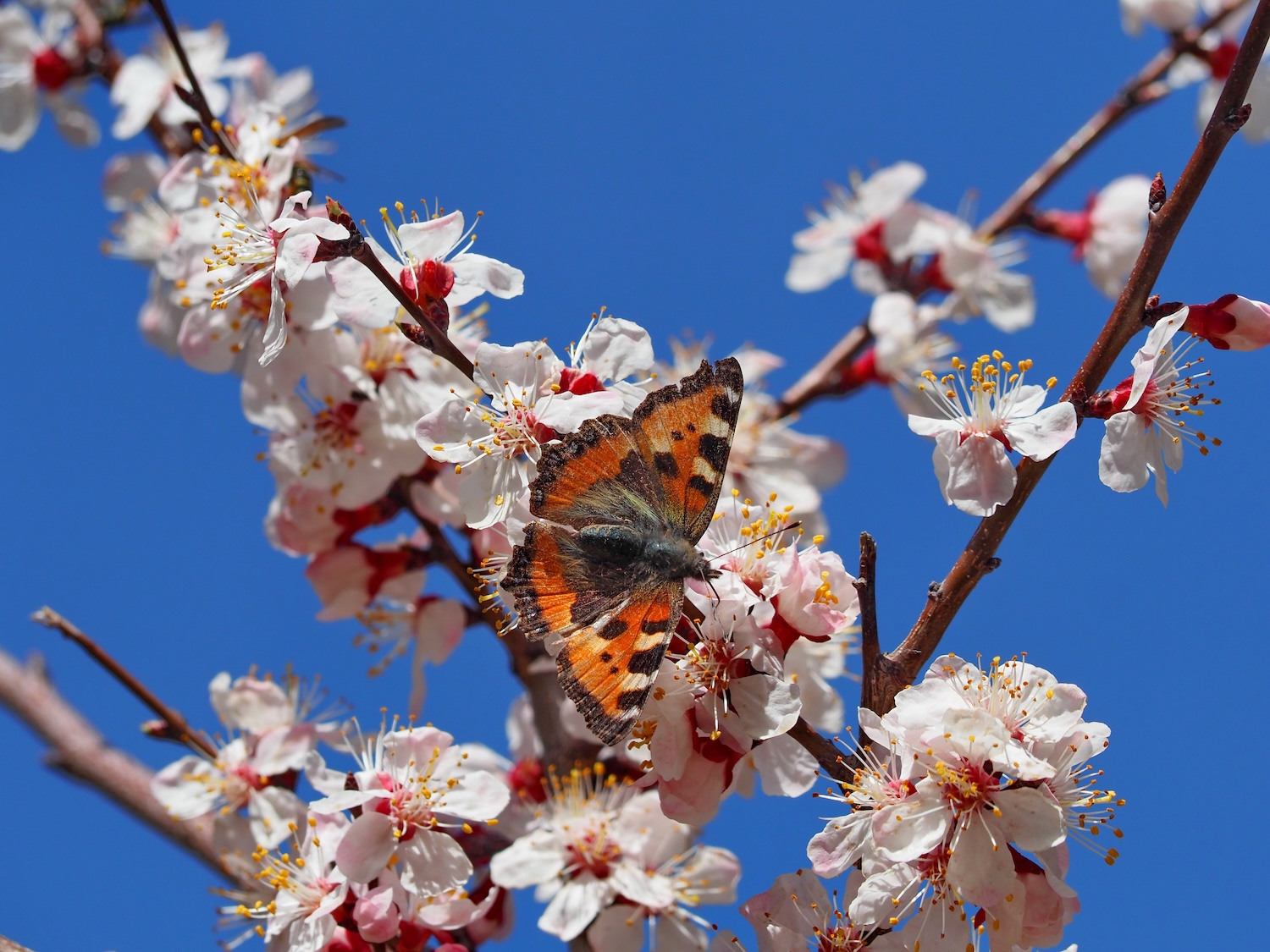
Modern conservation in the Mountains of Central Asia Biodiversity Hotspot is no longer limited to field notebooks and foot patrols. CEPF grantees Wildlife Conservation Society, University of Central Asia and Union of Photojournalists in Kyrgyzstan have pioneered the use of drone-based assessment of pasture and forest conditions, mobile apps for wildlife monitoring and reporting, and online maps of ecological risks and Key Biodiversity Areas. This citizen-science approach provides continuous, distributed monitoring at a scale no government agency could sustain alone, while contributing directly to the Kunming–Montreal Global Biodiversity Framework.
TURKMENISTAN | Wildlife in Koytendag
In Turkmenistan’s remote Koytendag Mountains, a range of dramatic canyons and cave systems at the edge of the hotspot, wildlife has long depended on a fragile network of springs and water sources. CEPF grantees Center for Large Landscape Conservation, Obadeskahyzmat, and Nature Protection Society of Turkmenistan improved water supply and wildlife monitoring in Koytendag Nature Reserve and initiated collaboration with Uzbekistan’s Surkhan Nature Reserve toward nomination as a transboundary UNESCO World Heritage Site. This investment illustrates the value of civil society action in catalyzing larger conservation efforts and focusing on practical, locally driven solutions that deliver tangible conservation outcomes.
REGIONAL | Strengthening the Western Tien Shan Transboundary Conservation Partnership
The Western Tien Shan UNESCO World Heritage Site spans the borders of three countries, and its long-term conservation depends on cooperation that transcends national boundaries. A CEPF-supported project conducted by Biodiversity Conservation Fund of Kazakhstan has helped establish and strengthen trilateral collaboration and management of this shared landscape, bringing together officials, park managers and civil society organizations from Kazakhstan, Kyrgyzstan and Uzbekistan in regular dialogue. This growing partnership has the potential to serve as a model for transboundary cooperation in mountain ecosystem conservation across the region.
Further information about CEPF grants in the Mountains of Central Asia Biodiversity Hotspot is available here.
Working with Governments and the Global Environment Facility (GEF)
CEPF grants to civil society are not an alternative to government action or large conservation investment, they are a complement to it. Across the Mountains of Central Asia, CEPF grantees work alongside, and in coordination with, some of the region’s most significant conservation programs, including major initiatives supported by the GEF.
The GEF-funded Tien Shan Mountain biodiversity project in Kyrgyzstan has provided technical and other support to strengthen biodiversity management in several protected areas. CEPF grantees working in adjacent KBAs and buffer zones have helped fill important gaps: engaging local communities where park managers have limited presence; documenting traditional knowledge and improving monitoring; and advocating for land-use decisions that protect ecological corridors.
In Tajikistan, the GEF-supported project in the Upper Amu Darya basin has strengthened the management of protected areas. CEPF grantees have complemented these efforts by conducting species surveys, supporting community benefit-sharing initiatives, and helping to build the civil society capacity needed to sustain conservation outcomes within Tajikistan’s environmental governance system.
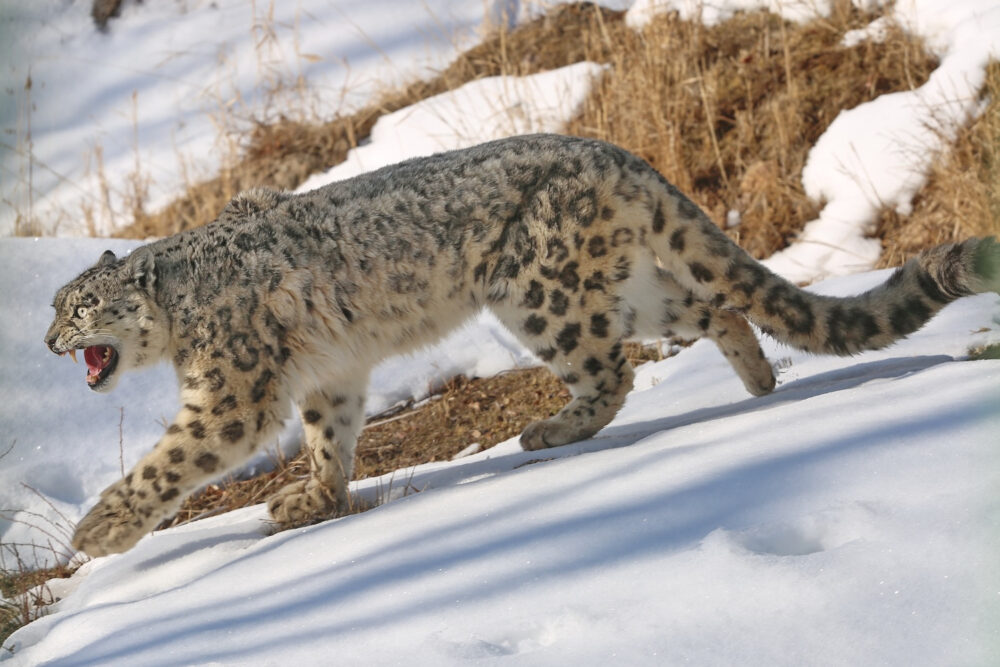
The Global Snow Leopard and Ecosystem Protection Program (GSLEP) has positioned the snow leopard as the flagship species for mountain conservation diplomacy. CEPF grantees have contributed monitoring data, community ranger networks, and human-wildlife conflict mitigation work.
Looking Ahead: A New Chapter with the GEF Small Grants Program
In addition to its efforts to conserve the world’s biodiversity hotspots, CEPF has begun a new role in relation to the GEF Small Grants Program (SGP), a globally recognized mechanism for channeling resources directly to grassroots civil society organizations and communities. CEPF is serving as the executing agency for Conservation International (CI) as CI becomes one of two new implementing agencies for the GEF SGP. The CI/CEPF team will deliver the SGP in Turkmenistan and four other countries: Equatorial Guinea; Libya; Saint Vincent and the Grenadines; and Sri Lanka.
The GEF SGP will launch in Turkmenistan in mid-2026 and is expected to cover the entire country. Its mandate extends beyond biodiversity — encompassing climate change, land degradation, and other priority areas — while sharing CEPF’s foundational commitment to civil society as the primary agent of change.
Together Toward Global Goals
CEPF’s grant-making program in the Mountains of Central Asia — nearly 100 projects in the first phase, with a new portfolio starting in 2026 — reflects the global importance of Central Asian’s biodiversity and ecosystems and the efficacy of its civil society. From community rangers in Kyrgyzstan monitoring snow leopard, to women’s networks in Tajikistan conserving endangered trees and crops, to advocacy for micro-reserves, all these actions advance the Kunming-Montreal Global Biodiversity Framework’s vision of living in harmony with nature. These actions are complemented by the new GEF SGP program in Turkmenistan, and indeed the GEF’s efforts around the globe. Together with a multitude of partners in the conservation and sustainable development community and government, we are driving progress toward global goals that address challenges, build resilience and forge a sustainable future.
Zoï engagement
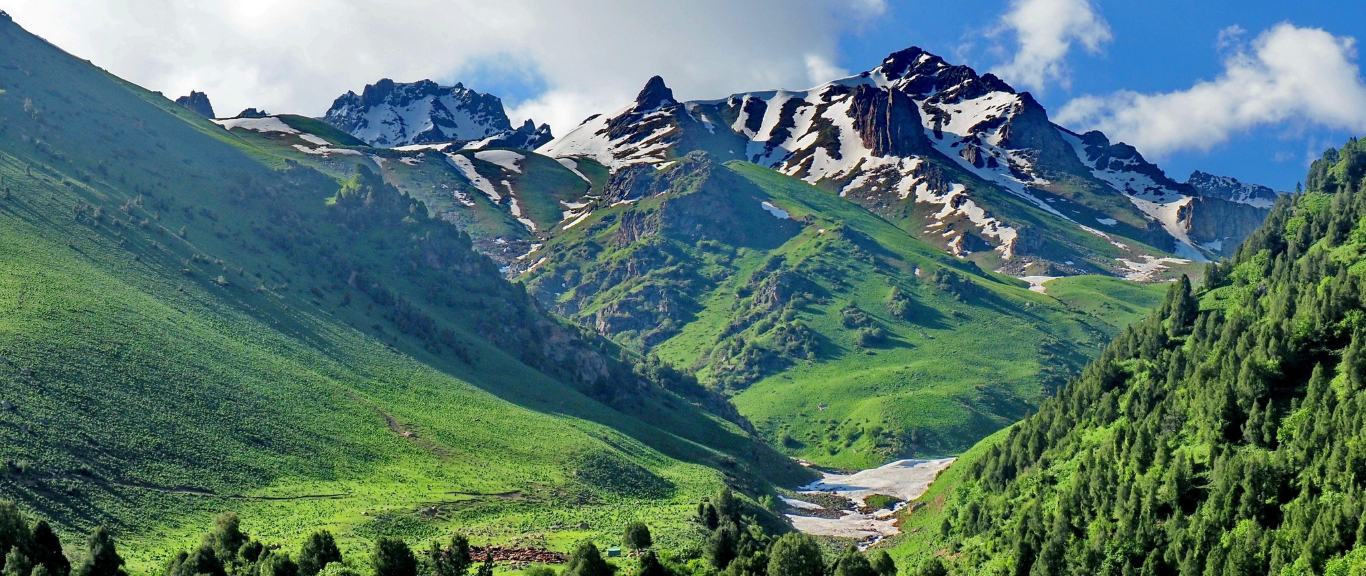
Featured image: Chychkan Gorge, Kyrgyzstan. Credit: Vlad Ushakov